
3D Printed Electronic Skin Could Give Prosthetics Pressure and Temperature Sensing
Researchers at Washington State University have developed a customizable electronic skin combining 3D scanning, SLA printing, pressure and temperature sensing, and neural-network calibration.
Researchers at Washington State University have developed a customizable electronic skin combining 3D scanning, SLA printing, pressure and temperature sensing, and neural-network calibration.
What happened?
Researchers at Washington State University have developed a customizable electronic skin combining 3D scanning, SLA printing, pressure and temperature sensing, and neural-network calibration.
Key details
- The prosthetic is digitized with structured-light 3D scanning.
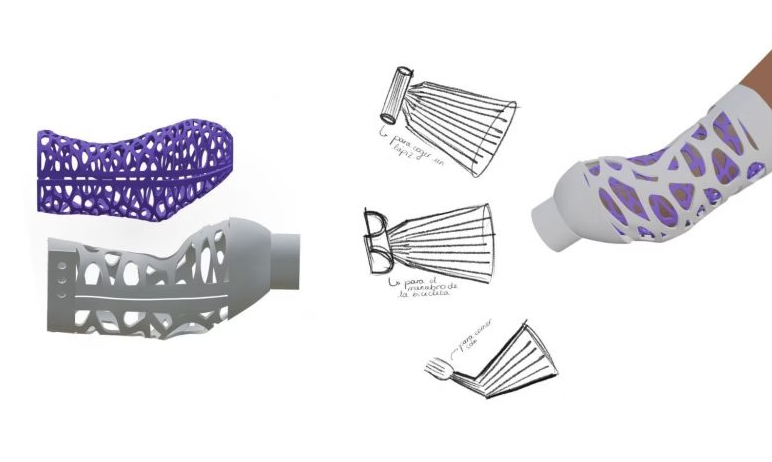
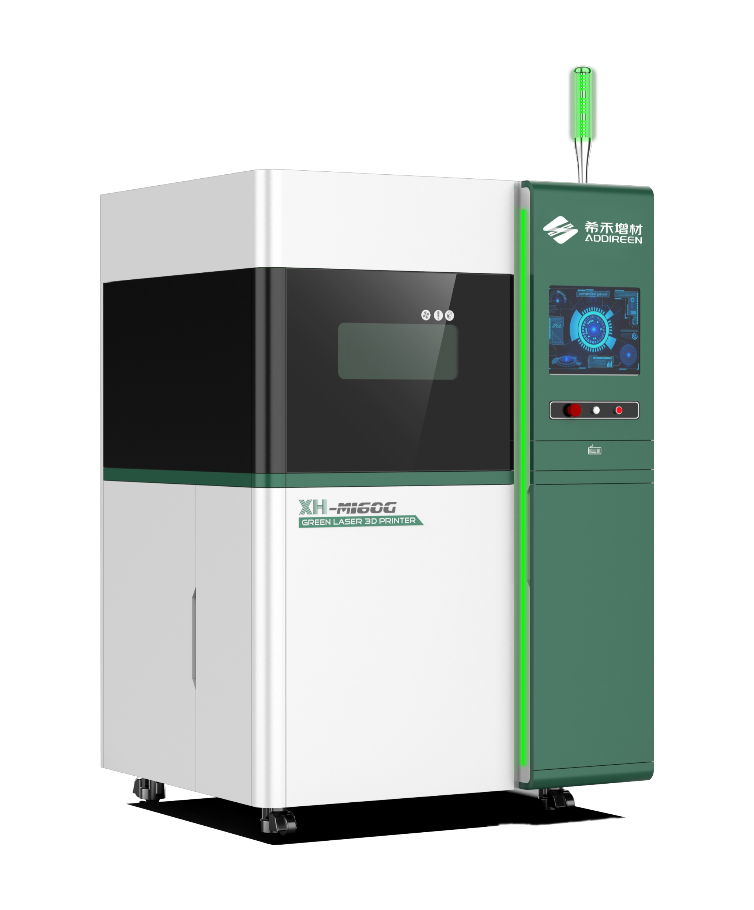
- Custom structural layers are manufactured with SLA printing.
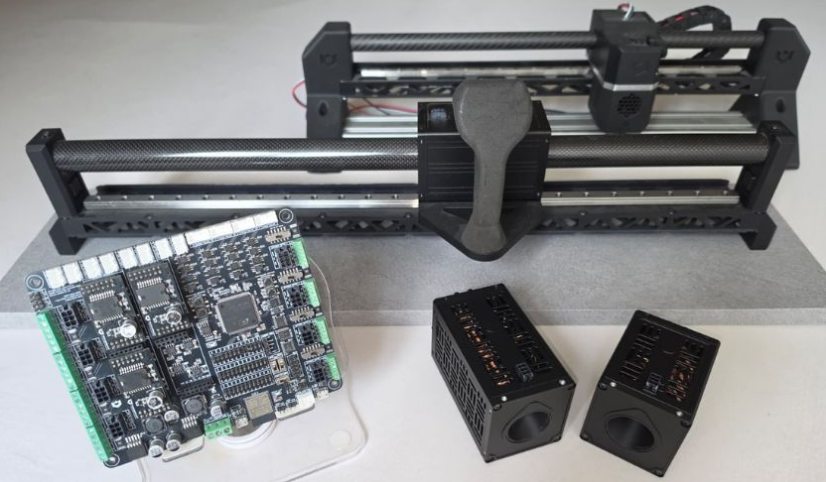
- The modular system combines pressure and temperature sensing.
- The researchers report substantially higher spatial resolution than some commercial glove-based sensors.
Why it matters
The project is a strong example of how 3D printing adds value through personalized geometry and integration with electronics rather than shape-making alone.
The cover image is a 3DPS-created illustration.
Source and further information
This article is a summary based on publicly available source material. Read the original here: 3DPrint.com / Washington State University.
#ElectronicSkin #ESkin #3DPrinting #Medical3DPrinting #Prosthetics #Bionics #WearableTechnology #BiomedicalEngineering #Sensors #HealthcareTechnology #Research #3DPS