3DPS logo
3DPS Europe
Service and development
News

News / article

New materials
← Back to news Back to homepage
KEXCELLED Raises Nearly RMB 100 Million for Chinese 3D Printing Materials
2026. 10. 05.
1 050

KEXCELLED Raises Nearly RMB 100 Million for Chinese 3D Printing Materials

1 min read

Suzhou-based Nuosibeirui, owner of the KEXCELLED brand, has closed a new funding round while expanding industrial filaments, photopolymer resins and custom material development.

Materials companies are becoming strategic

China’s Nuosibeirui New Material Technology has closed a new funding round, described by industry sources as close to RMB 100 million.

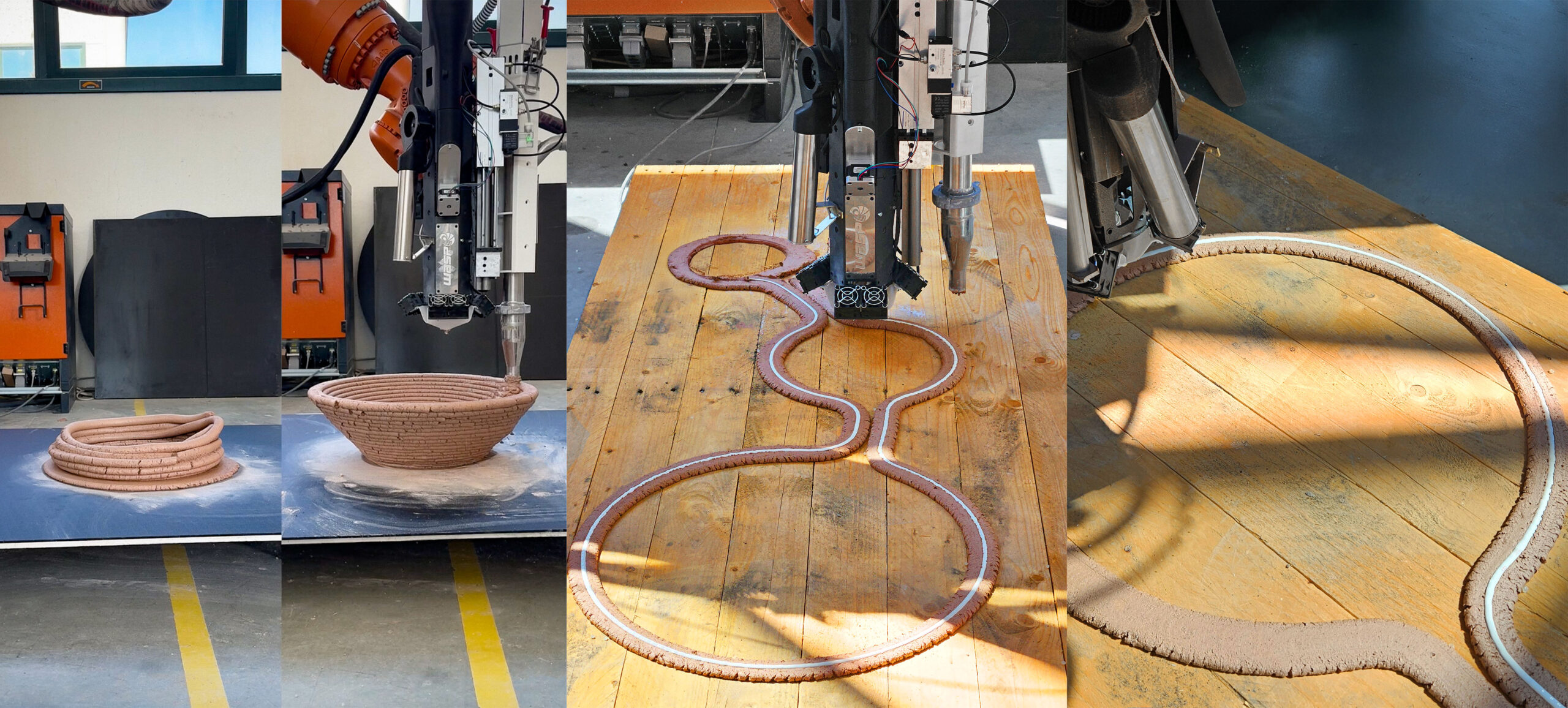
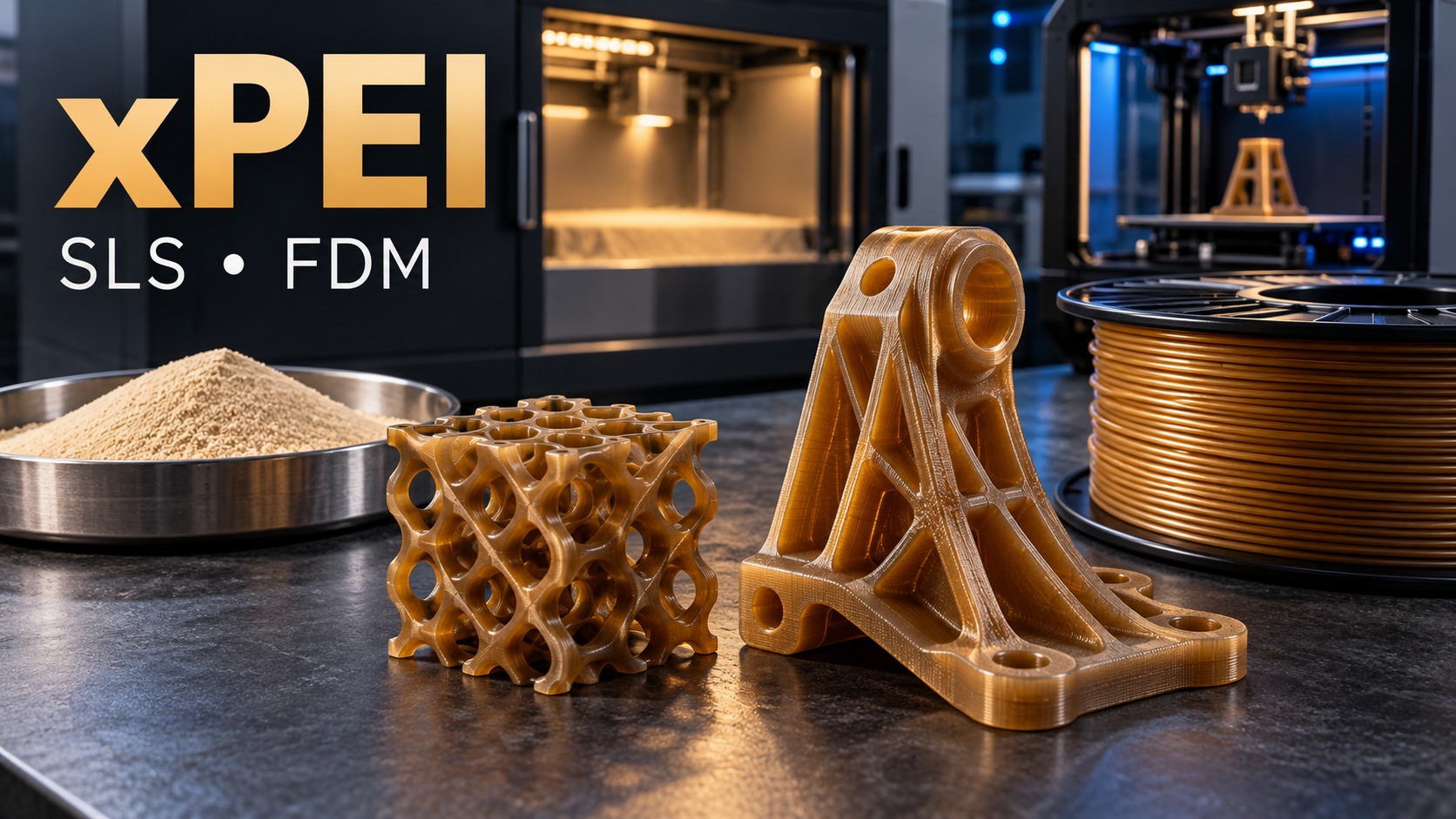
The KEXCELLED brand develops FDM filaments, photopolymer resins and customized industrial materials.

Why this matters in China

After Chinese printer manufacturers became globally significant, a domestic engineering-material supplier base is becoming increasingly important and could reduce reliance on foreign specialty polymers.

What remains unknown?

Funding alone is not a technical breakthrough. The key question is whether it goes into production capacity, certified materials or international expansion.
Sources

Related articles
Archive

Earlier news

92 earlier article(s)
Bambu Lab: construction advances on a planned 3-million-printer Shenzhen hub
2026. 09. 28.
IP / legal news
1 361

Bambu Lab: construction advances on a planned 3-million-printer Shenzhen hub

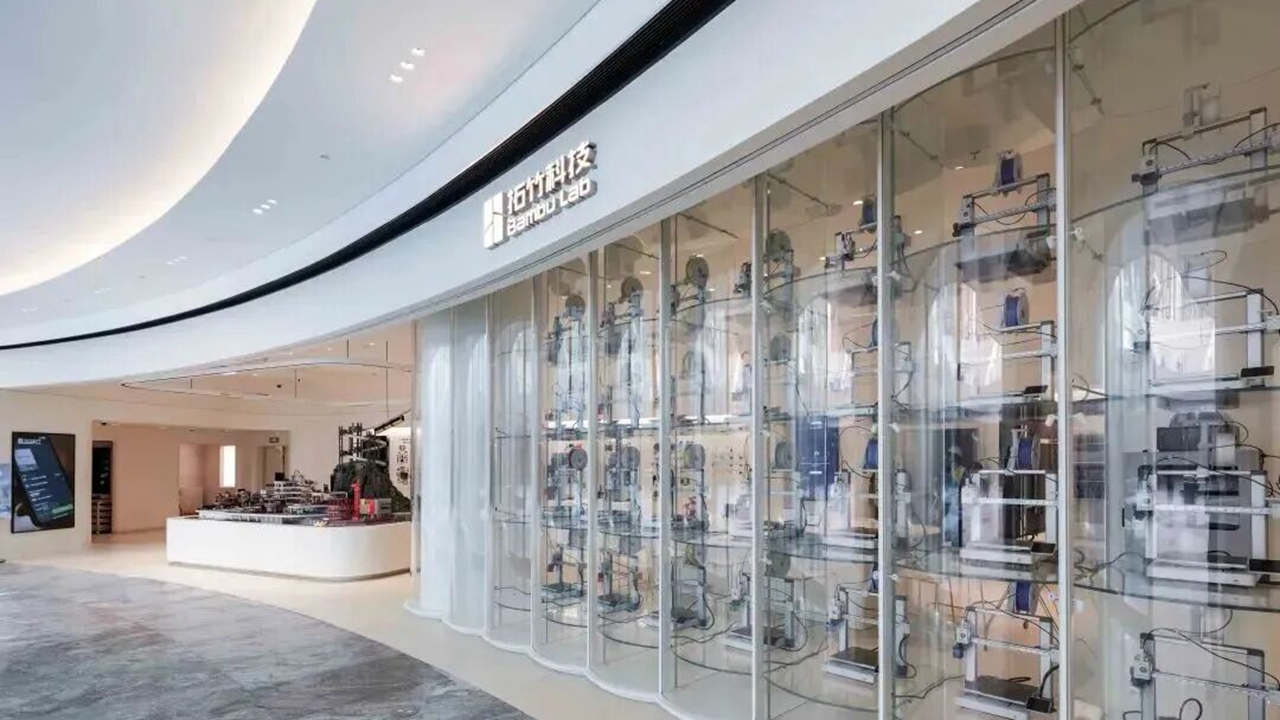
Bambu Lab is taking a major step toward building one of the world's largest 3D printer manufacturing bases. Its planned “3D Printing Intelligent Manufacturing Headquarters Base” in Shenzhen's Guangming District has moved into site-preparation and construction-access work. The complex is designed for an annual capacity of more than 3 million 3D printers and will combine manufacturing with research and development, component production and materials-related activities.

Bambu Lab R1: the 55 W CO₂ laser has arrived
2026. 09. 23.
New printers
1 313

Bambu Lab R1: the 55 W CO₂ laser has arrived

On September 22, Bambu Lab introduced its first standalone laser machine: the R1 uses a 55 W CO₂ laser, offers a 600×300 mm working area and automatic laser alignment.